Snow Storm: Understanding The Phenomenon And How To Prepare

Snow Storm: Understanding The Phenomenon And How To Prepare - It's important to follow local guidelines for cleanup and restoration, ensuring that all safety protocols are followed. While snow storms are most common in regions with cold climates, they can occur in unexpected areas due to shifting weather patterns. Understanding the mechanics of snow storms is crucial for predicting and preparing for their impacts.
It's important to follow local guidelines for cleanup and restoration, ensuring that all safety protocols are followed.
Communities must adapt to changing weather patterns by investing in infrastructure and emergency response systems that can handle extreme weather events.
Snow forms when water vapor in the atmosphere freezes into ice crystals. These crystals combine to form snowflakes, which fall to the ground as snow if the air temperature remains below freezing.
Blizzards are the most severe type of snow storm, characterized by high winds and heavy snowfall. Visibility is severely reduced, making travel dangerous.

If you must travel during a snow storm, ensure your vehicle is equipped with emergency supplies, such as blankets, food, and water. Drive slowly and maintain a safe distance from other vehicles.
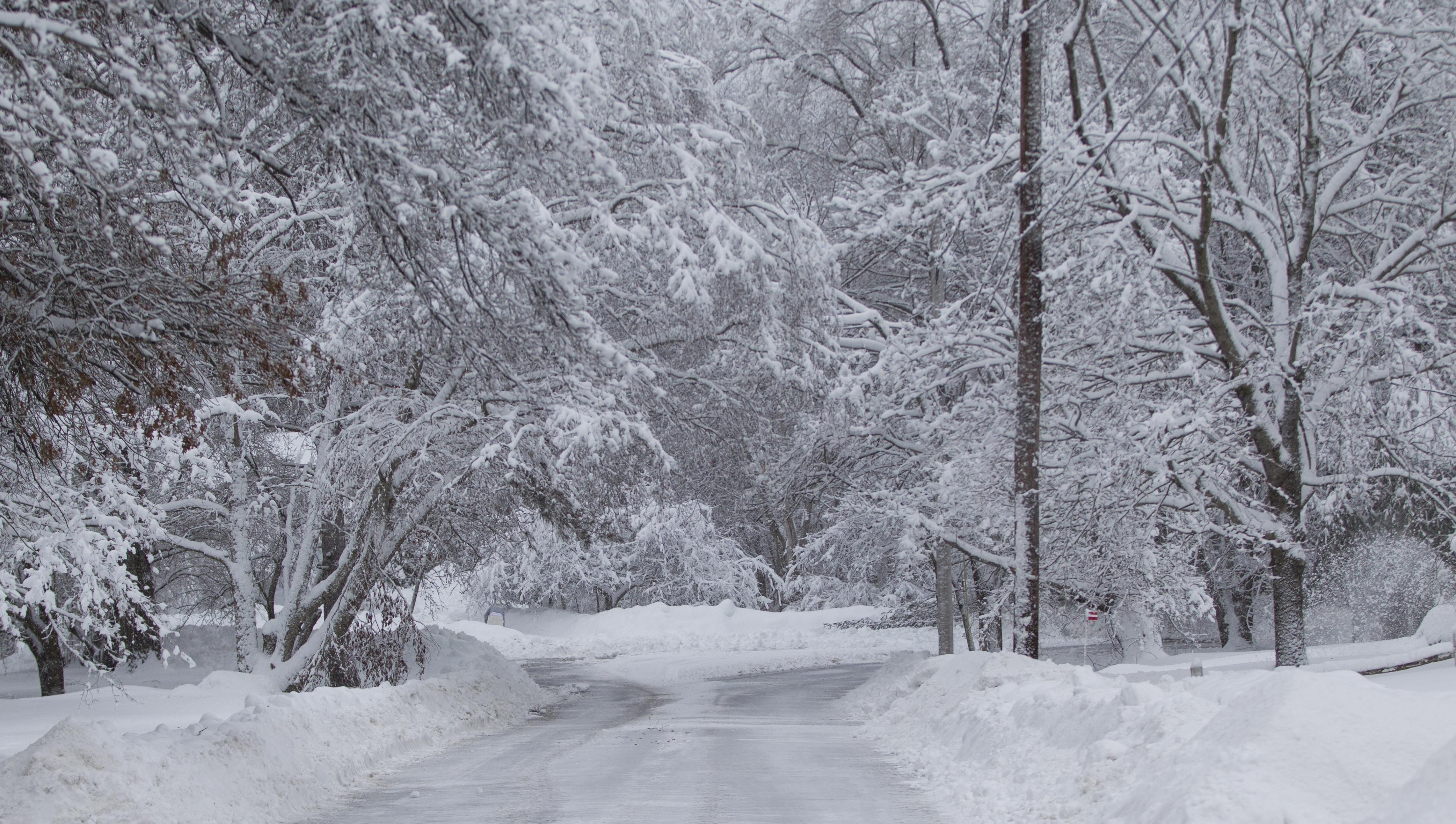
Residents in areas affected by snow storms may experience disruptions to work, school, and social activities. Businesses may close temporarily, and public services may be delayed or canceled.
Staying informed about weather updates and following official advice can help you navigate the storm safely.
Not all snow storms are the same. They vary in intensity, duration, and geographical impact. Below are some of the most common types of snow storms:
As climate change continues to influence weather patterns globally, the frequency and severity of snow storms may increase. This article delves into the science behind snow storms, their effects, and practical tips for staying safe during these events. Whether you're a seasoned resident of a snowy region or a newcomer, this guide will equip you with valuable knowledge to navigate winter storms effectively.
By exploring the causes, impacts, and prevention strategies, we aim to provide a comprehensive resource for understanding snow storms. Our focus is not only on the scientific aspects but also on actionable advice that can help protect lives and property during these extreme weather events.
Climate change is influencing weather patterns worldwide, including the frequency and intensity of snow storms. Warmer ocean temperatures and increased atmospheric moisture can contribute to more severe storms.
Some communities may experience long-term effects from snow storms, such as damage to infrastructure or economic losses. Developing resilient strategies can help mitigate these impacts in the future.